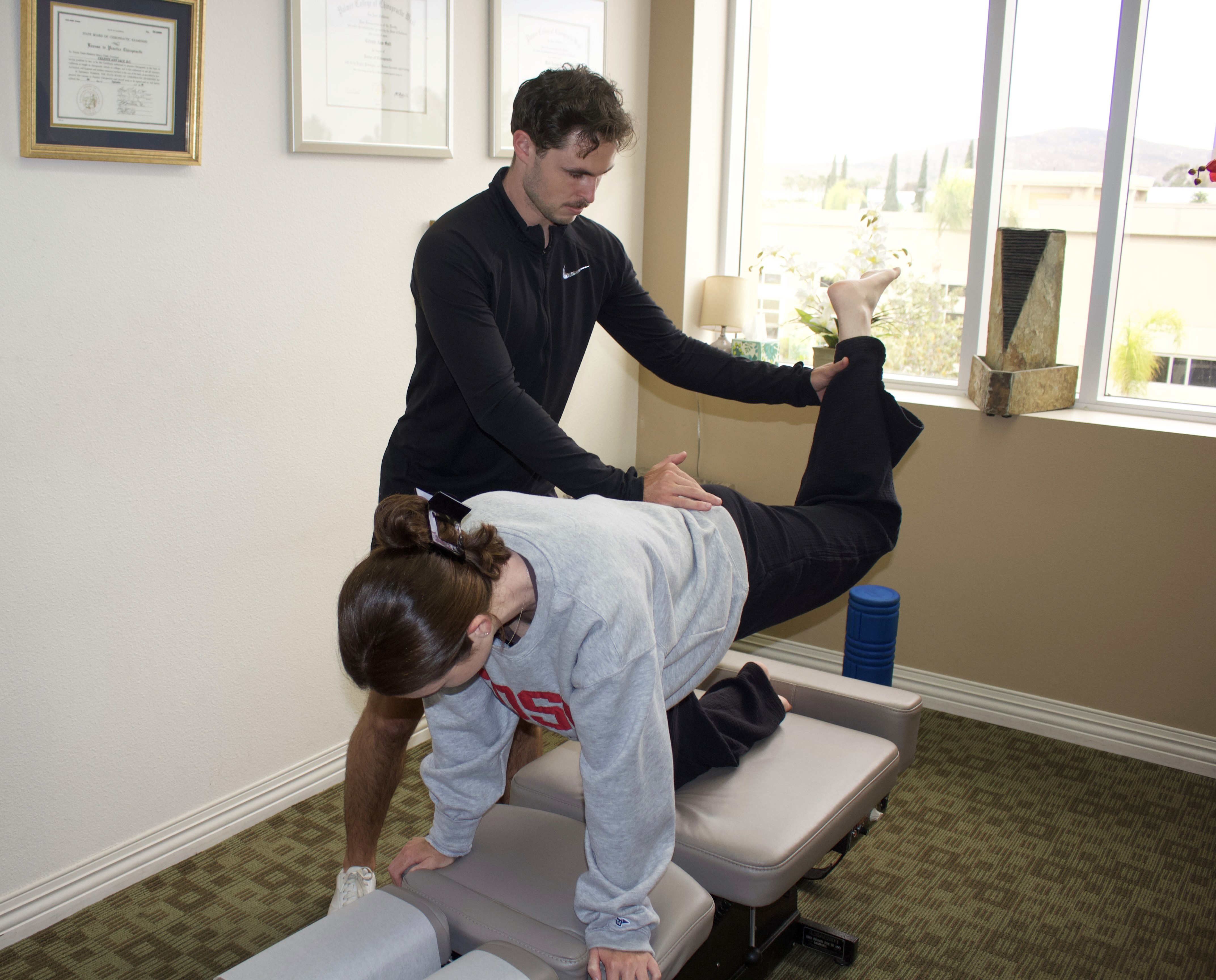
A sprain is an injury to a ligament, the tough connective tissue that connects bones to other bones and provides stability to joints. A strain is an injury to a muscle or tendon, the tissue that connects muscles to bones and generates movement. While these terms are often used interchangeably in everyday conversation, they describe distinct tissue injuries that can vary significantly in severity. Both sprains and strains are graded from mild (minor stretching or microscopic tearing) to severe (complete rupture requiring medical intervention), which is why a proper evaluation is essential to determine the extent of the injury and the most appropriate approach to care.
When a ligament, muscle, or tendon is injured, the surrounding structures immediately begin compensating to protect the damaged tissue and maintain function. This protective compensation is a normal short term response, but when it persists beyond the acute phase it can create secondary movement dysfunction, muscle imbalances, and altered joint mechanics that produce pain and limitation well beyond the original injury site. Many patients who feel their sprain or strain has healed because the acute pain has subsided are actually still dealing with residual compensation patterns and incomplete tissue recovery that leave them vulnerable to reinjury.
Sprains and strains can occur in virtually any joint or muscle group in the body and affect people of all ages and activity levels. Common causes include sudden impacts or falls, twisting movements that force a joint beyond its normal range, lifting with poor mechanics, and repetitive stress that gradually overwhelms tissue capacity over time. Ankle sprains, wrist sprains, hamstring strains, and low back strains are among the most commonly seen in a chiropractic setting, though sprains and strains affecting the shoulder, knee, hip, and neck are also frequently treated at Salt Family Chiropractic.